How to Buy Perfume Online Without Overpaying
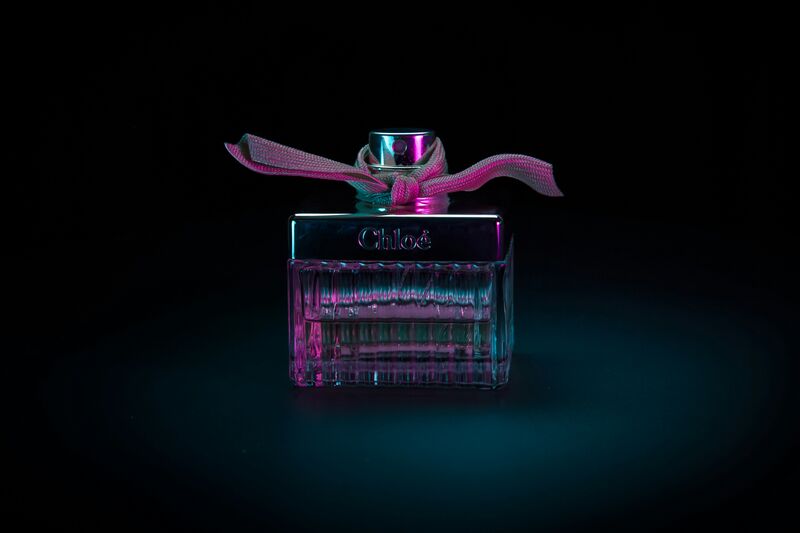
Buying perfume online is convenient, but there are nuances. Different stores sell the same fragrance at different prices, and names like EDT, EDP, and Parfum can be confusing. In this article, we'll break down how to choose wisely and avoid overspending.
EDT, EDP, Parfum — What's the Difference?
Eau de Toilette (EDT) contains 5–15% fragrance oils — it's a lighter version that lasts 3–5 hours. Eau de Parfum (EDP) has 15–20%, lasting 6–8 hours. Parfum (Extrait) contains 20–30% and can last all day. Price increases accordingly. If you need an everyday fragrance, EDT is perfectly fine. For special occasions or if you want fewer reapplications, EDP or Parfum is better. Tip: a higher concentration doesn't always mean a "better" scent — the composition can differ significantly.
Volume: When 50ml Is a Better Deal Than 100ml
It seems logical to get the bigger bottle — the price per ml is usually lower. But there's a catch: perfumes have a shelf life of 3–5 years after opening. If you don't use the fragrance daily, a 100ml bottle might not be finished in time. Plus, your preferences change. For a new fragrance, start with 30–50ml. Only get the large size for proven favorites.
Why Prices for the Same Perfume Differ
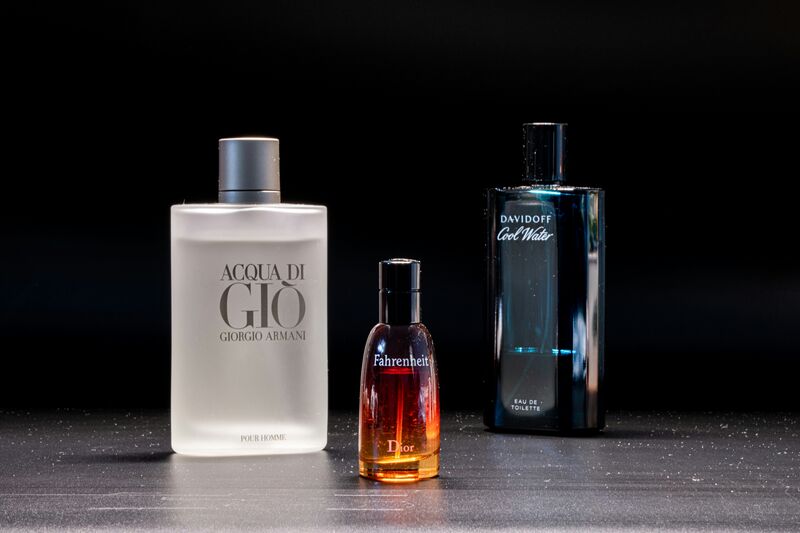
The same bottle of Dior Sauvage can cost different amounts at Notino, EVA, and other stores. Reasons: different suppliers, promotional terms, warehouse stock levels, seasonal sales. The difference can reach 20–30%. Comparing prices before buying isn't a whim — it's real savings. Price tracking services help you see not just the current price but the history — whether it's a real discount or the price was raised first.
When Is the Best Time to Buy Perfume
The lowest perfume prices are usually in January (after the holidays), April–May (off-season), and during Black Friday in November. Before Valentine's Day, International Women's Day (March 8), and New Year, prices often rise — these are peak gifting seasons. If you don't need the fragrance urgently, wait for the off-season or subscribe to price drop alerts.
How to Spot a Fake Discount
The classic trick: a store raises the price 2–3 weeks before a sale, then "discounts" it back to the previous level. Technically there's a discount, but in reality you're paying the same or even more. The only way to verify this is to look at price history. If the product's price a month ago was lower than today's "sale" price — it's not a real discount. BeautyHunt stores price history from official product feeds, so you always see the real picture.
Want to always buy at the best price?
Subscribe to alerts